
Introduction
In the face of escalating urbanization, housing shortages, and environmental concerns, innovative solutions are essential for modern living. Flat pack container houses present a transformative approach to addressing these issues. Combining the durability of shipping containers with efficient design and assembly, these structures are revolutionizing the way we think about housing. This article explores the efficiency of flat pack container houses, examining their design, construction, benefits, and the impact they can have on sustainable living.
Understanding Flat Pack Container Houses
What Are Flat Pack Container Houses?
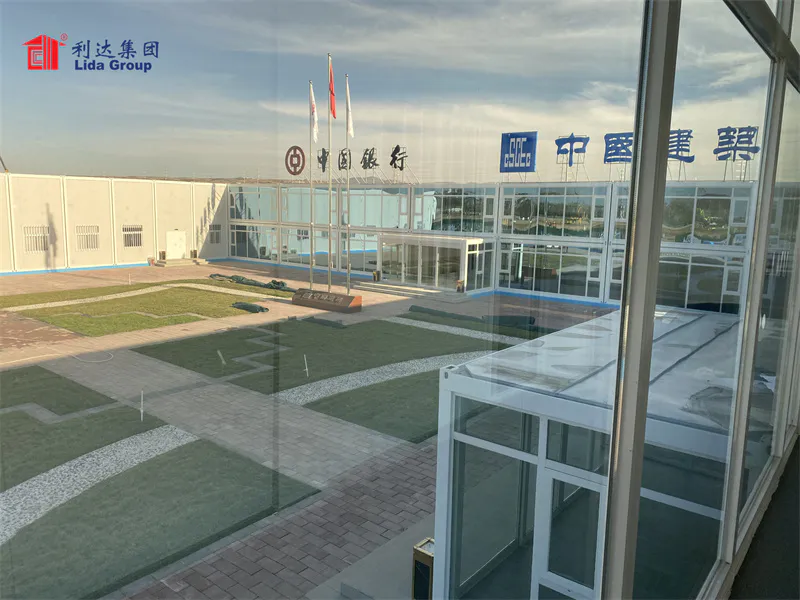
Flat pack container houses are pre-fabricated structures designed for easy transport and assembly. They are constructed from shipping containers that have been modified and flattened for shipping, allowing for efficient logistics and rapid deployment. Once on-site, these houses can be quickly assembled into livable spaces with minimal construction time and labor.
The Concept of Flat Pack Design
The flat pack design is characterized by its modularity and efficiency:
- Modularity: Flat pack houses are made up of standard modules that can be combined in various configurations to create different layouts and sizes. This flexibility allows for customization based on individual needs.
- Efficiency in Transport: Flattening the units for shipping maximizes space in transport vehicles, reducing shipping costs and environmental impact.
Benefits of Flat Pack Container Houses
1. Speed of Construction
One of the most significant advantages of flat pack container houses is the speed of assembly:
- Quick Deployment: With the components pre-fabricated and ready for assembly, flat pack houses can be erected in a matter of days or even hours, depending on the complexity of the design.
- Reduced Labor Costs: The simplified assembly process requires fewer labor hours, translating into cost savings for builders and homeowners alike.
2. Cost-Effectiveness
Flat pack container houses offer a cost-effective alternative to traditional housing:
- Lower Material Costs: Utilizing repurposed shipping containers helps reduce material expenses, as new construction materials are not needed.
- Economies of Scale: Mass production of flat pack components can lead to further reductions in costs, making these houses accessible to a broader audience.
3. Sustainability
Sustainability is a core principle of flat pack container houses:
- Recycling and Upcycling: By repurposing shipping containers, these houses help reduce waste and promote environmentally friendly building practices.
- Energy Efficiency: Many flat pack designs incorporate energy-efficient features, such as high-quality insulation and energy-efficient appliances, reducing the overall carbon footprint of the home.
4. Versatility and Customization
Flat pack container houses are highly versatile and can be customized to meet various needs:
- Flexible Layouts: Homeowners can choose from a variety of floor plans, allowing for homes that fit their lifestyles, whether it’s a compact studio or a multi-bedroom family home.
- Expandable Designs: Additional modules can be added later, enabling homeowners to expand their living space as needed.
5. Mobility
The mobility of flat pack container houses is another significant advantage:
- Easy Relocation: If homeowners decide to move, flat pack houses can be disassembled and transported to a new location, providing a level of flexibility that traditional homes cannot offer.
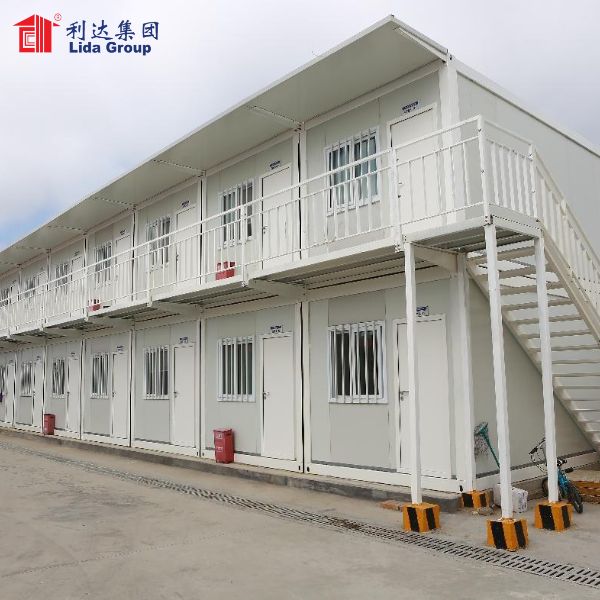
- Ideal for Temporary Housing: These houses are perfect for temporary setups, such as construction sites, disaster relief areas, or seasonal housing.
The Construction Process of Flat Pack Container Houses
1. Design and Planning
The construction of a flat pack container house begins with detailed design and planning:
- Architectural Design: Architects create blueprints that maximize space and functionality while adhering to building codes and regulations.
- Site Assessment: A thorough evaluation of the site is performed to determine suitability for the house, taking into account factors like soil stability and access to utilities.
2. Manufacturing
Once the design is finalized, the manufacturing process begins:
- Container Modification: Shipping containers are sourced and modified in a factory setting. This may include cutting openings for windows and doors, insulating the walls, and installing electrical and plumbing systems.
- Component Fabrication: Additional components, such as roofs, flooring, and fixtures, are also produced in advance.
3. Transport
After manufacturing, the flat pack components are prepared for transport:
- Flat Packing: The modified containers and additional components are flattened and packed efficiently for shipping, maximizing space and minimizing costs.
- Logistics Coordination: Transportation logistics are coordinated to ensure timely delivery to the construction site.
4. Assembly on Site
The final step is assembling the flat pack house on-site:
- Foundation Preparation: A suitable foundation is prepared according to local building codes, ensuring stability and durability.
- Assembly Process: The flattened components are assembled according to the architectural plans. This process is typically quicker than traditional construction methods.
Case Studies: Successful Implementations of Flat Pack Container Houses
1. Disaster Relief Housing
Flat pack container houses have proven invaluable in disaster relief scenarios. For instance, after natural disasters like earthquakes or hurricanes, these homes can be rapidly deployed to provide temporary shelter for displaced individuals. Their quick assembly and mobility make them ideal for emergency situations.
2. Affordable Housing Initiatives
In urban areas facing housing shortages, flat pack container houses have been used in affordable housing projects. Cities have adopted these structures to create low-cost housing solutions for low-income families, helping to alleviate homelessness and provide stable living conditions.
3. Eco-Friendly Communities
Some developers have embraced flat pack container houses as part of eco-friendly community initiatives. These developments often incorporate sustainable practices, such as community gardens, renewable energy sources, and shared amenities, fostering a sense of community while promoting sustainable living.
Challenges and Considerations
1. Regulatory Hurdles
Although the popularity of flat pack container houses is rising, they often face regulatory challenges:
- Building Codes: Local building codes and zoning regulations may not always accommodate container housing, necessitating advocacy and education to promote acceptance.
- Permitting Processes: Securing permits can be time-consuming and complex, especially in areas with strict building regulations.
2. Public Perception
Public perception of container housing can be mixed, with some people harboring misconceptions:
- Aesthetic Concerns: Some individuals associate container houses with a lack of aesthetic appeal. Innovative design solutions can help overcome this barrier by showcasing the potential for stylish and functional living spaces.
- Durability Misconceptions: Misunderstandings about the durability and safety of container houses can deter potential buyers. Education and successful case studies can help alleviate these concerns.
3. Environmental Considerations
While flat pack container houses are generally more sustainable than traditional homes, there are still environmental considerations to address:
- Material Sourcing: Ensuring that all materials used in construction are sustainably sourced is essential for maximizing the environmental benefits of these homes.
- End-of-Life Management: Planning for the end-of-life of the container houses, including recycling or repurposing materials, is crucial for reducing waste.
The Future of Flat Pack Container Houses
1. Technological Advancements
As technology advances, the construction and design of flat pack container houses will likely evolve:
- Smart Home Integration: The integration of smart technologies will enhance the functionality and efficiency of container houses, allowing for greater energy management and security.
- Sustainable Materials: Research into innovative materials, such as recycled composites and eco-friendly insulation, will further improve the sustainability of flat pack designs.
2. Global Adoption
The global awareness of housing shortages and environmental issues is likely to drive the adoption of flat pack container houses:
- Emerging Markets: Developing countries facing rapid urbanization may find flat pack homes to be a viable solution for affordable housing needs.
- Rural Developments: In rural areas, flat pack houses can provide cost-effective and quick housing solutions for communities.
3. Community Engagement
Engaging communities in the design and implementation of flat pack container housing projects will be essential:
- Stakeholder Collaboration: Collaborating with local governments, organizations, and residents can ensure that housing solutions meet the specific needs of communities.
- Educational Initiatives: Increasing awareness about the benefits of flat pack container houses through workshops and community events will help foster acceptance and interest.
Conclusion
Flat pack container houses represent a transformative solution for modern housing challenges. Their efficiency in design, construction, and sustainability makes them a compelling alternative to traditional homes. As urbanization continues to rise and environmental concerns escalate, the need for innovative housing solutions like flat pack container houses will only grow.
Lida Group and similar companies are paving the way for a new era of housing, where efficiency, affordability, and sustainability are at the forefront. By addressing regulatory challenges, enhancing public perception, and promoting community engagement, flat pack container houses can become a cornerstone of modern living.
In conclusion, the potential of flat pack container houses to transform spaces and improve the quality of life for individuals and communities is immense. As we move toward a more sustainable future, embracing these innovative housing solutions will be essential for creating resilient, adaptable, and eco-friendly living environments.
Contact Us
Post time: Oct-16-2024